
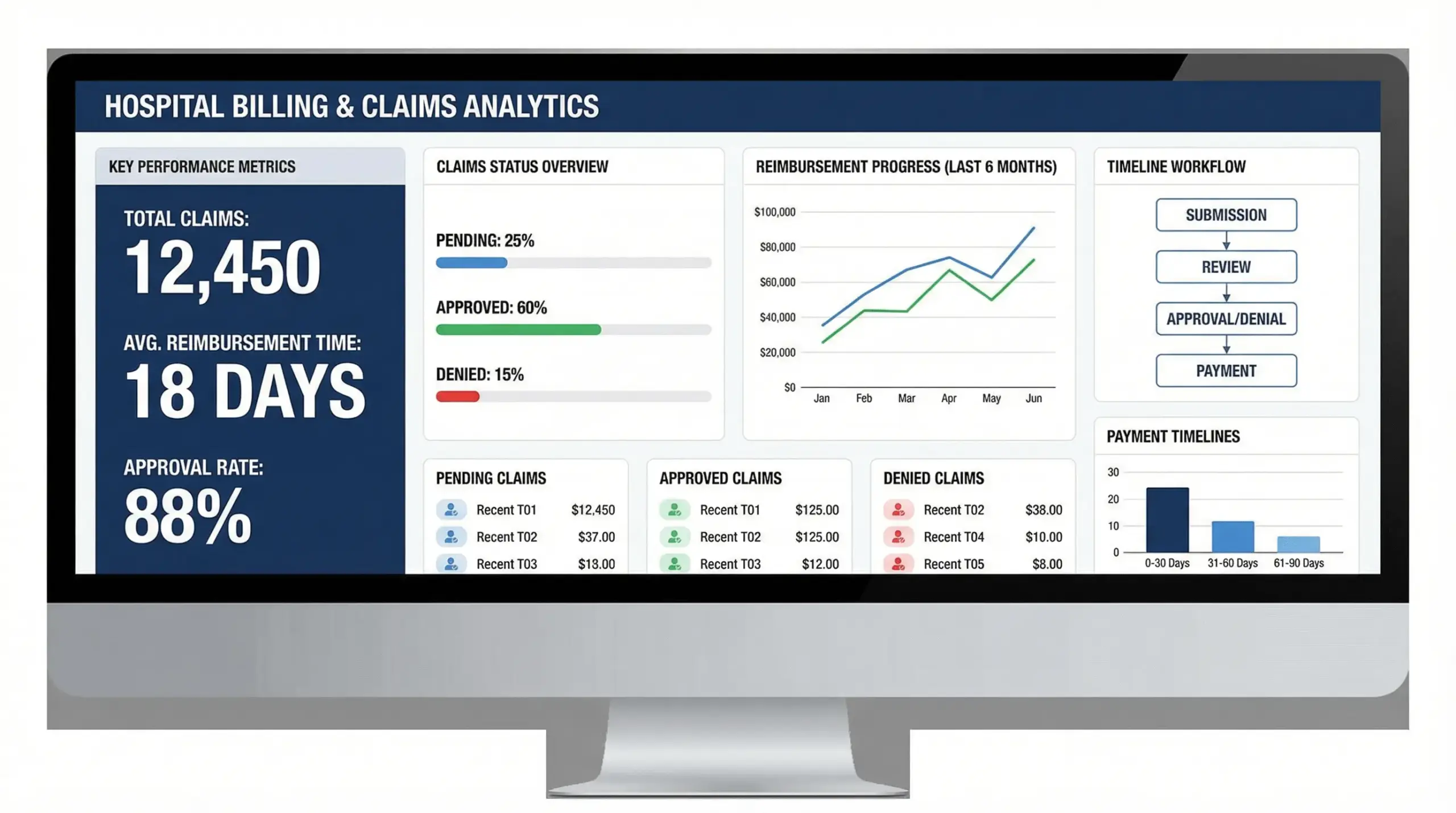
Navigating Workers’ Comp & Accident Claims can feel like wading through a labyrinth with no clear exit. One misstep, a missed deadline, or incomplete documentation can mean delayed reimbursements, frustrated patients, and revenue lost to inefficiency. For healthcare providers, the stakes are high: timely claims processing isn’t just about dollars; it’s about keeping patients covered and operations smooth. Fortunately, with a strategic approach and the right support, hospitals and clinics can streamline claims, recover revenue faster, and maintain patient trust.
Understanding the Complexity of Workers’ Compensation Claims
Workers’ compensation claims are more than a paperwork headache. They involve intricate interactions between WC carriers, employers, patients, and sometimes third-party liability insurers. Each claim can include multiple layers of verification, from injury details to medical documentation and insurance eligibility. Missteps can trigger delays, disputes, or outright denials, creating bottlenecks that ripple across your revenue cycle.
Think of it like a complex domino setup: one piece falling incorrectly can topple the entire chain of reimbursements. Hospitals need both precise processes and proactive follow-up to prevent these cascading problems.
Why Speed Matters in Accident Claim Management
Every day a claim sits unresolved, your organization risks lost revenue and patient dissatisfaction. Rapid accident claim management reduces wait times, ensures quicker provider reimbursement recovery, and helps patients access the care they need without stress. Organizations that improve claim processing efficiency often reduce administrative overhead and improve collection rates over time. Hospitals that implement structured claim processing support enjoy smoother workflows, fewer denials, and measurable financial benefits.
Key Steps to Streamline Your Claims Process
1. Verify Insurance and Eligibility Early
Insurance verification follow-up is the first line of defense. Confirming a patient’s coverage, liability details, and worker status upfront can prevent denials later. Automation tools and dedicated support teams ensure nothing slips through the cracks.
2. Implement a Strategic Lien Filing Approach
A smart lien filing strategy safeguards your financial interests. Properly documenting liens ensures that hospitals are reimbursed even if third-party settlements or delayed claims arise. This is especially critical for accident claims involving multiple parties or third-party liability.
3. Coordinate Effectively with WC Carriers
WC carrier coordination is often where claims stall. Regular communication, timely submission of medical records, and clear documentation of treatment plans prevent unnecessary back-and-forth and expedite approvals.
4. Provide Comprehensive Claim Processing Support
Supporting your team with claim processing support minimizes human error. Centralizing documentation, using multi-channel communication, and tracking each step ensures accountability and reduces delays.
5. Integrate Billing and Negotiation Services
Billing and negotiation services are vital for recovering maximum revenue. Hospitals can optimize settlements, resolve disputes with carriers, and ensure accurate reimbursements for services rendered.
6. Engage Expert Legal Claims Resolution
Sometimes, claims require legal intervention. Legal claims resolution specialists navigate complex settlements, liaise with attorneys, and manage litigation-related issues to protect hospital interests and patient care continuity.
The Role of Technology in Accelerating Claims
Modern healthcare organizations are no strangers to technology, yet claims often lag. Platforms that integrate eligibility verification, insurance verification follow-up, and multi-channel communication transform a slow, error-prone process into a streamlined system.
For example, secure portals for document upload and automated reminders These tools can significantly reduce claim processing time and improve overall workflow efficiency. Coupled with expert guidance, these tools allow staff to focus on patient care rather than chasing paperwork.
How to Handle Third-Party Liability Efficiently
Third-party liability claims can complicate accident cases. When another party bears responsibility, hospitals must carefully document treatment, maintain accurate records, and track settlement progress. Proactive coordination with legal teams and insurers ensures reimbursement isn’t delayed by disputes or oversight.
Tips for Avoiding Common Pitfalls
- Incomplete documentation: Always double-check forms, signatures, and medical records.
- Delayed follow-up: Timely insurance verification follow-up and communication with carriers is critical.
- Ignoring lien filings: Neglecting liens can result in lost reimbursements.
- Poor coordination: Fragmented processes between departments, carriers, and legal teams lead to bottlenecks.
Real Results Speak Louder Than Theory
Hospitals leveraging integrated claims solutions see measurable improvements. For instance, providers using structured accident claim management programs often see faster claim resolution, improved reimbursement outcomes, and reduced administrative workload. Social proof matters: seeing results from other healthcare providers validates the approach and builds confidence in adopting similar strategies.
Why Choose RevOne Companies
When it comes to Workers’ Comp & Accident Claims, RevOne Companies stands out for its full-service, patient-centered approach. Here’s why:
- Decades of Expertise: Since 2003, RevOne has helped healthcare networks navigate complex claims with precision.
- End-to-End Support: From WC carrier coordination to billing and negotiation services, every step is handled with efficiency.
- Proven Results: Improved reimbursement outcomes through optimized accident claim management and provider reimbursement recovery.
- Compliance-Focused: Every process adheres to regulatory standards, protecting your organization and patients.
- Tailored Solutions: Services are customized to your workflow, ensuring a smooth, integrated experience.
Partnering with RevOne Companies means your staff can focus on patient care while leaving claims, reimbursements, and legal coordination in expert hands.
Conclusion
Efficiently managing Workers’ Comp & Accident Claims is no longer optional; it’s a necessity for hospitals seeking financial stability, patient satisfaction, and operational efficiency. By implementing structured workflows, leveraging technology, and partnering with experienced teams like RevOne Companies, healthcare providers can turn a traditionally cumbersome process into a streamlined, revenue-generating system.
Ready to streamline your accident claim process and recover revenue faster? Contact RevOne Companies today and transform your workers’ comp claims into a smooth, predictable workflow.
Frequently Asked Questions
1. How long does it take to process workers’ compensation claims?
Processing time varies by state and claim complexity, but structured claim processing support and proactive WC carrier coordination can significantly reduce delays and improve turnaround time.
2. What is a lien filing strategy, and why is it important?
A lien filing strategy ensures hospitals secure their right to reimbursement even if settlements are delayed or involve third-party liability. Proper documentation prevents revenue loss.
3. Can technology really speed up accident claim management?
Yes. Platforms that integrate insurance verification follow-up, document uploads, and multi-channel reminders significantly reduce administrative time and minimize errors.
4. How does RevOne assist with legal claims resolution?
RevOne coordinates with attorneys, manages documentation, and guides hospitals through complex settlement negotiations to ensure timely reimbursement and compliance.
5. What common mistakes should healthcare providers avoid?
Common errors include incomplete documentation, delayed follow-up with WC carriers, neglecting lien filings, and poor coordination between departments or with legal teams.